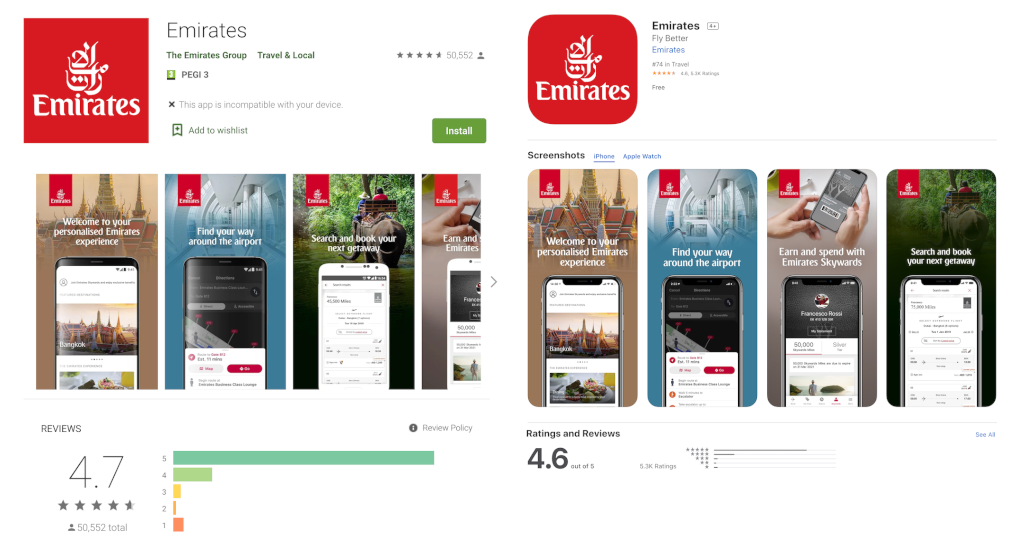
Emirates is the state-owned airline of the United Arab Emirates (UAE). With revenues of $13 billion, it is the world’s 4th largest airline. It operates around 3600 flights per week to 150 destinations worldwide. Tigerspike is a global digital services company founded in 2003 with a great reputation and an amazing client list.
In 2012, Emirates began to recognise the impact that personal media was having on their customers travel experiences. Emirates engaged Tigerspike to assist them with developing their range of digital products. Initially, Tigerspike was engaged to design the user experience for the Emirates App for iPad. The engagement was for a single team of 4 people.
At this time, Emirates processes in this area were very traditional and projects were carried out in a waterfall manner. Project activities were divided into linear, dependent, sequential phases with a specialisation of skills and tasks in each phase. Complete requirements and specifications were created and approved before any development could begin.
As a result, timelines were often longer than desirable and it was extremely difficult to take advantage of new opportunities and changes in the market once development was underway. It became clear that a more Agile way of working was needed to allow greater innovation. A team from Tigerspike were engaged to guide Emirates in this initiative.
The Tigerspike team came along for Scrum training with Simon Kneafsey (TheScrumMaster.co.uk) in Dubai to better understand how Scrum could help them and their clients, such as Emirates. Over 2 days, the team learned alongside attendees from a range of other organisations from the United Arab Emirates, Saudi Arabia, Qatar and Oman.
Simon helped the group explore topics including Complexity, Empiricism, Iterative & Incremental Delivery. The group explored how Scrum could help them lower risk and increase their ability to deliver valuable products.
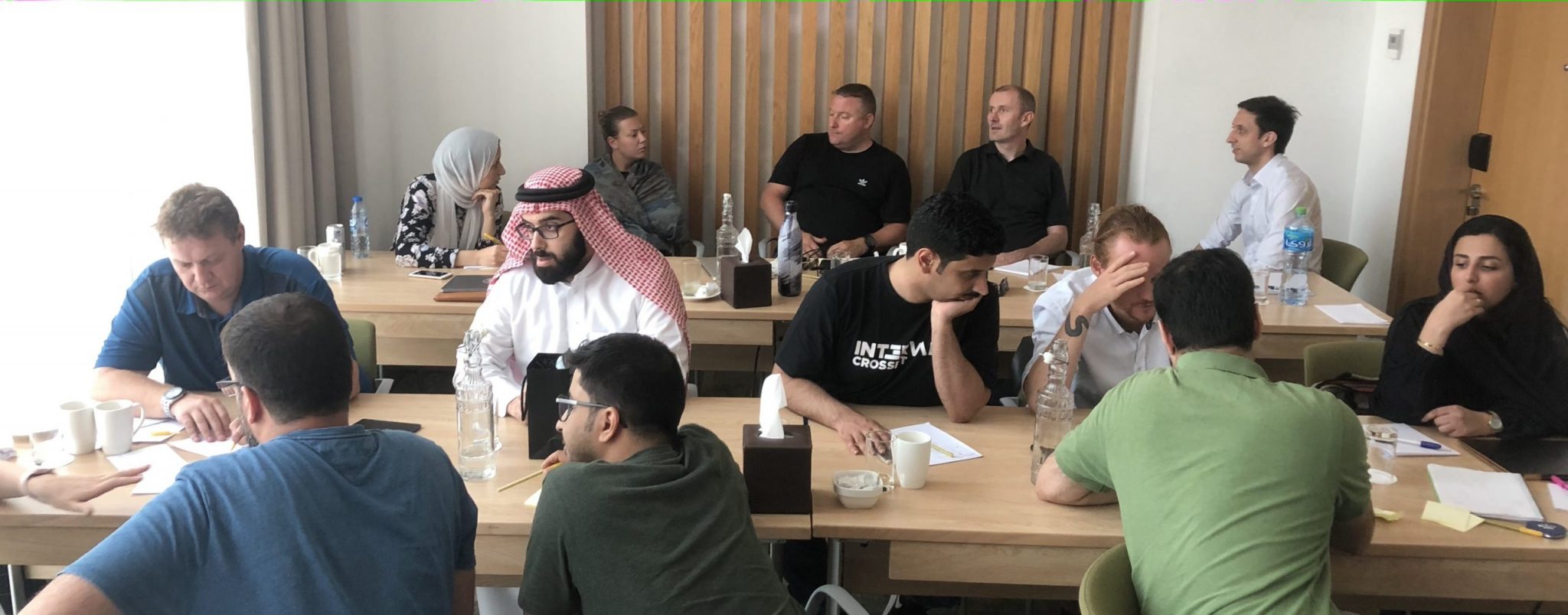
The training helped Tigerspike see how taking an empirical approach to their work with Emirates could help them to deliver more value to their client. They realised that although Scrum was simple to learn, it could be difficult to implement in a large organisation that was used to doing things in a traditional way.
Once the engagement was underway, the Tigerspike team were embedded at Emirates so they could work alongside them. This enabled them to build trust and raise transparency which was an important enabler for increased agility.
Emirates provided a Product Owner to work with the Tigerspike Development Team. The Scrum Master role was introduced to help the Scrum Team learn and understand how to use Scrum. The Scrum Team worked in 2-week Sprints delivering a Done Increment of the Product for inspection and feedback from Emirates stakeholders at the end of each Sprint in the Sprint Review.
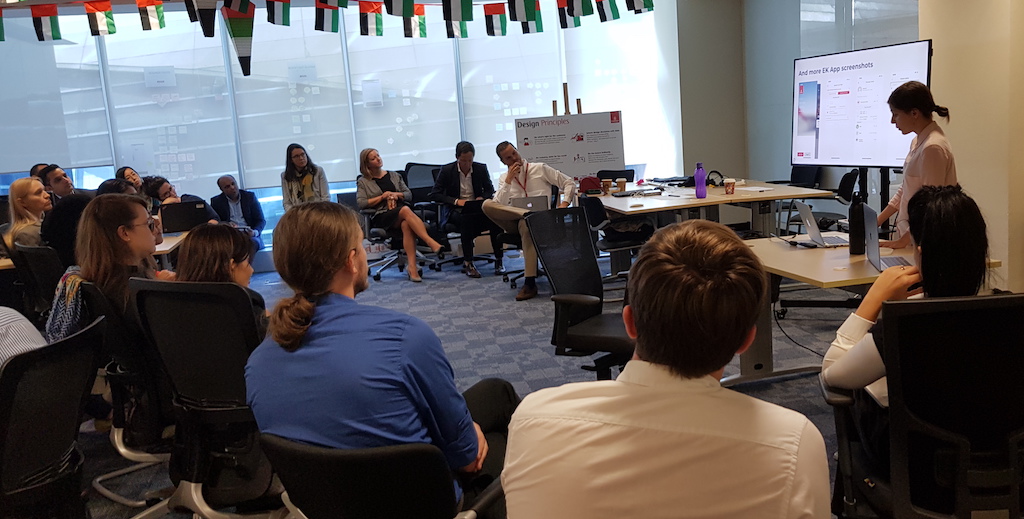
The empirical approach (Inspection, Adaptation & Transparency) that Tigerspike introduced using Scrum enabled a range of significant benefits for Emirates. This new approach eliminated significant waste and enabled an increased delivery of value in a number of ways:
– Early & Frequent Feedback – Sprint Reviews created space for Emirates to see regular progress and provide specific feedback to improve the Product on a regular basis. More focus was placed on shorter-term planning around the Sprints, while the Product Owner focused on managing a Product Backlog of upcoming work that was open for change as new insights emerged.
– Experimentation & Learning
– A greater focus was placed on learning and adapting to changing conditions and demand. Tigerspike could try something new, and if necessary, fail fast and pivot in a new direction.
– Innovation – The increased focus on feedback, learning and experimentation positioned Emirates to take advantage of the rapid technology changes in the mobile space that were taking place at this time. This included the release and step change to iPhone 10 and a major release of their Skywards App. They were able to release successful mobile apps at the time that customers came to expect these services as standard.
– Increased Velocity – fewer meetings, handoffs, formal processes and up-front documentation enabled more time to focus on delivering value to Emirates and its customers. Faster decisions were possible due to the presence of a Product Owner who could make just in time decisions. Tigerspike could build the right things, first time and more often.
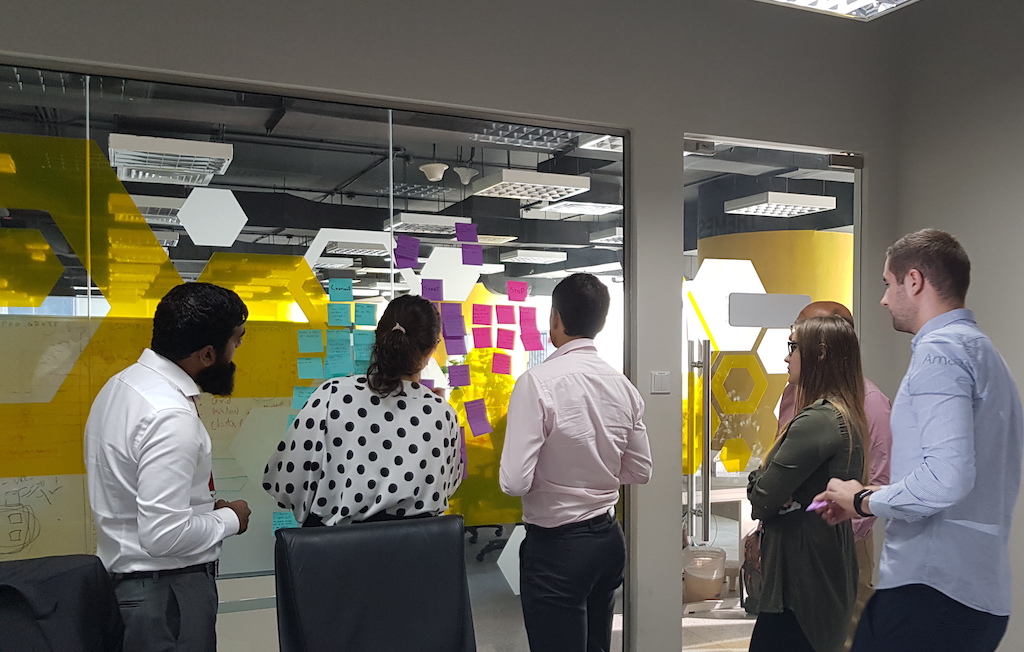
However, it wasn’t all perfect! Even as things improved, an ongoing challenge was balancing development with the need to ensure enough “ready” work in the pipeline via the Product Backlog. There could still be delays in getting information from Stakeholders and unforeseen dependencies on other projects. Tigerspike continues to assist with this with a view to enable further business agility and increased transparency.
Ultimately all of this helped ensure that more of the work carried out delivered value to Emirates and its customers than ever before. This was a significant step forward and away from the traditional Waterfall process that Emirates had followed up to this point.
Following the success of the new approach, Tigerspike were invited to assist Emirates in many additional areas. Their involvement expanded to include Product Strategy, UX/UI Design, Web and Mobile App development across mobile, web and wearables. Over 40 people from Tigerspike were ultimately involved across 5 Scrum Teams.
Improvements have been made in many areas enabling greater brand engagement and improved customer experience which has led to increased loyalty and conversions. Tigerspike has supported Emirates transformation into a truly customer-centric travel company.
Results
– 7.5 million app downloads to date
– 1 million users in August 2019
– 53% year-on-year increase in mobile check-ins
– Rated 4.7 on Android and 4.6 on Apple App Stores