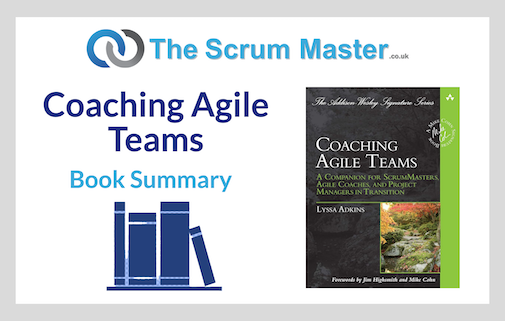
Lyssa Adkins’ Coaching Agile Teams: A Companion for ScrumMasters, Agile Coaches, and Project Managers in Transition is one of the most influential books ever written on the art and practice of Agile coaching. It provides a practical and inspiring guide for anyone who supports Agile teams, from Scrum Masters to leaders seeking to build trust, empowerment, and continuous improvement.
The book is part reflection, part instruction, and part toolkit. Adkins draws on her own journey from command-and-control project management to Agile coaching, blending stories, frameworks, and exercises that help coaches guide teams toward self-organisation and high performance.
It Starts with You
Adkins begins with an honest admission: many of us come to Agile from traditional management backgrounds, trained to plan, control, and direct. Agile requires unlearning much of that. Coaching Agile teams begins not with frameworks or techniques but with the self-awareness of the coach.
She encourages readers to examine their mindset and motivations. The coach’s work is not about fixing teams or proving expertise but about helping people discover their own capability. Effective coaching demands humility, patience, and emotional intelligence. Adkins uses her own story to show the difference between managing and coaching. As a project manager, she pushed teams to meet deadlines and deliver against plans. As an Agile coach, she learned to trust teams to find their own path, focusing instead on creating the conditions for success. Coaching, she explains, is less about control and more about presence. The coach’s role is to notice, ask, and support rather than to tell.
Expect High Performance
Agile coaches are not there to settle for average results. Adkins argues that expecting excellence is one of the most powerful gifts a coach can give a team. By setting the bar high and communicating belief in their potential, a coach inspires teams to stretch themselves. High-performing teams share certain traits: shared purpose, trust, open communication, and collective responsibility. Coaches help teams build these qualities through consistent focus on collaboration and improvement. This does not mean demanding perfection. It means nurturing a culture where learning, experimentation, and honest feedback are valued. A coach’s job is to remove the barriers that prevent teams from realising their potential.
Master Yourself
Coaching others requires first mastering yourself. Adkins explores the need for self-awareness, emotional regulation, and resilience. Coaches who act from ego or frustration limit their effectiveness. Those who approach the role with curiosity and compassion create space for growth. She identifies common traps for new coaches, such as overhelping, rescuing, or becoming the team’s problem-solver. True coaching is about helping teams take ownership, not doing the work for them. Through self-reflection, mindfulness, and peer feedback, coaches can develop the emotional maturity to stay calm under pressure and respond thoughtfully rather than react impulsively.
Let Your Style Change
Adkins borrows from leadership development models to describe how coaching styles evolve as teams mature. Early in a team’s journey, more guidance and structure may be needed. As the team grows in competence and confidence, the coach’s role shifts toward facilitation and observation. She highlights the importance of flexibility. An Agile coach must adapt to the team’s stage of development, sometimes leading, sometimes stepping back entirely. The art of coaching lies in knowing when to intervene and when to let the team learn through experience.
The Coach as Coach-Mentor
One of the book’s most valuable distinctions is between different roles a coach may take: coach, mentor, teacher, facilitator, and problem-solver. As a coach-mentor, the focus is on guiding individuals and teams to discover their own insights. Adkins draws from professional coaching techniques, including active listening, powerful questioning, and goal setting. Coaching can be applied at multiple levels: individuals, teams, and organisations. For individuals, it may mean helping a Product Owner navigate priorities or supporting a Scrum Master to grow in confidence. For teams, it means encouraging ownership and self-organisation. Mentoring complements coaching by sharing experience when appropriate, but Adkins cautions against overreliance on advice. The goal is to help others think, not to think for them.
The Coach as Facilitator
Facilitation is one of the most visible skills of an Agile coach. Whether leading sprint planning, retrospectives, or stakeholder workshops, the coach ensures that discussions are productive, inclusive, and aligned with purpose. Adkins explains that facilitation is not about dominating the room but about creating an environment where ideas can surface and decisions can be made collaboratively. Good facilitation involves preparation, neutrality, and focus. The coach ensures all voices are heard and helps the group navigate conflict or indecision. Techniques such as visual collaboration, timeboxing, and check-ins help maintain momentum and engagement.
The Coach as Teacher
Every Agile coach must also be an educator. Adkins invites readers to think of the best teacher they ever had: someone who challenged them with kindness, believed in their potential, and made learning enjoyable. Agile coaches should aim to do the same. Teaching is essential during team start-ups, onboarding, and moments when Agile concepts need reinforcement. However, teaching in Agile should be experiential. Instead of lectures, coaches use games, exercises, and reflection to make learning stick. Adkins emphasises clarity around Agile roles. Everyone should understand the responsibilities of the Product Owner, Scrum Master, and Development Team. When roles are blurred, dysfunctions quickly arise. Coaches teach by example, modelling collaboration, accountability, and adaptability.
The Coach as Problem Solver
Teams inevitably face challenges, from technical impediments to interpersonal friction. Adkins positions the coach as a “systems revealer” who helps teams see the broader patterns behind their problems. Rather than solving issues directly, coaches help teams examine their own processes and assumptions. By bringing visibility to the system, teams can diagnose and address root causes themselves. Viewing the team as a living ecosystem allows the coach to focus on health rather than control. The goal is to help the system find balance and resilience.
The Coach as Conflict Navigator
Conflict is inevitable in high-performing teams. Adkins reframes it as a sign of growth rather than dysfunction. Constructive disagreement leads to better decisions and deeper trust, provided it is handled skilfully. Coaches help teams navigate conflict by creating psychological safety, encouraging empathy, and teaching communication techniques. They help individuals distinguish between healthy debate and personal attack. When handled well, conflict becomes a catalyst for innovation and improvement. The coach’s role is to turn tension into energy for progress.
The Coach as Collaboration Conductor
Collaboration is the heartbeat of Agile. Adkins likens the coach’s role to that of a conductor, guiding diverse talents to create harmony. She distinguishes between cooperation and collaboration. Cooperation is working side by side while staying independent; collaboration is creating something new together. Agile success depends on the latter. Coaches strengthen a team’s collaboration muscle by fostering trust, openness, and shared accountability. They help the team focus on collective goals rather than individual recognition.
Failure, Recovery, and Success Modes
Every coach experiences failure. Adkins normalises this and provides a framework for reflection. She identifies common “failure modes” such as acting as the Expert (always providing answers), the Hub (being the centre of communication), or the Opinionator (dominating discussion). Recognising these patterns helps coaches recover and grow. Each failure mode has a corresponding success mode, such as being a Catalyst, a Mirror, or a Servant Leader. The key is awareness and a willingness to change behaviour. Adkins encourages coaches to reflect regularly on their own practice and seek feedback. Self-development is a lifelong journey.
When Will I Get There?
One of the most common questions new coaches ask is, “When will I know I’m a good coach?” Adkins answers that the journey never truly ends. She offers a roadmap of skills and mindsets for growth: mastery of Agile frameworks, emotional intelligence, facilitation, systems thinking, and coaching ethics. As coaches deepen these abilities, they expand their influence beyond teams to leaders and organisations. Progress, she reminds readers, is not linear. Growth happens through cycles of learning, applying, failing, and adapting.
It’s Your Journey
The final section of the book brings the lessons together in a deeply personal way. Adkins shares her own journey from traditional project management to Agile coaching, describing both the struggles and rewards. Her story reflects the transformation many coaches experience: letting go of control, trusting the team, and rediscovering joy in work. Coaching Agile teams is not simply a job; it is a calling that combines technical understanding with human empathy. She invites readers to chart their own journey. What motivates you as a coach? What habits still hold you back? What’s the next summit you want to reach? By reflecting on these questions, coaches can stay intentional about their growth and purpose.
A Guide for Coaches and Leaders
Coaching Agile Teams is more than a manual for Scrum Masters. It is a philosophy of leadership built on humility, trust, and continuous learning. It recognises that true agility is not achieved through process alone but through people who feel empowered to think, collaborate, and adapt. Adkins bridges the worlds of professional coaching and Agile delivery, giving readers both the mindset and the practical tools needed to help teams flourish. She challenges coaches to expect high performance, model curiosity, and continually work on themselves. The book remains essential reading for anyone who helps teams grow, from experienced Agile coaches to those just starting their journey. It reminds us that great coaches do not create followers; they help others discover their own potential to lead.